How Often Chimneys Should Be Inspected And Cleaned
People searching for how often chimneys should be inspected and cleaned can rely on local contractors to ensure safe, efficient operation and prevent fire hazards.
If you own a property that features a chimney, understanding how often it should be inspected and cleaned is essential for maintaining safety and efficiency. Regular inspections help identify potential issues early, such as creosote buildup or structural damage, which can impact the performance of your fireplace or stove. Property owners in the area often explore this topic to ensure their heating systems operate smoothly throughout the seasons and to prevent costly repairs down the line. Local contractors who specialize in chimney inspection and cleaning can provide tailored advice and services to keep your chimney in top condition, making it easier to enjoy the warmth and comfort of your home year-round.
Staying informed about the recommended frequency for chimney inspections and cleanings can also be practical for those living in regions with specific climate conditions or frequent use of fireplaces. Routine maintenance by experienced service providers helps reduce the risk of chimney fires and ensures compliance with safety standards. Whether you’re preparing for the colder months or just want peace of mind, connecting with local pros can help you establish a maintenance schedule that suits your property’s needs. Keep reading to discover more about the factors influencing how often inspections and cleanings are needed, and how trusted local service providers can assist in keeping your chimney safe and efficient.
- Chimney Inspection - homeowners with annual fireplace use should consider regular inspections to ensure safety and efficiency, with local contractors providing thorough assessments.
- Chimney Cleaning - frequent use or visible soot buildup indicates a need for cleaning, which local service providers can perform to prevent fire hazards.
- Chimney Inspection - after severe weather events or if there's a noticeable draft issue, local pros can evaluate the condition of the chimney and recommend cleaning if necessary.
- Chimney Cleaning - when planning to use a fireplace for the season, local contractors can clean the chimney to remove creosote and debris for optimal operation.
- Chimney Inspection - homes with infrequent use should still have periodic inspections to identify potential issues before they become costly repairs, with local pros handling the evaluations.
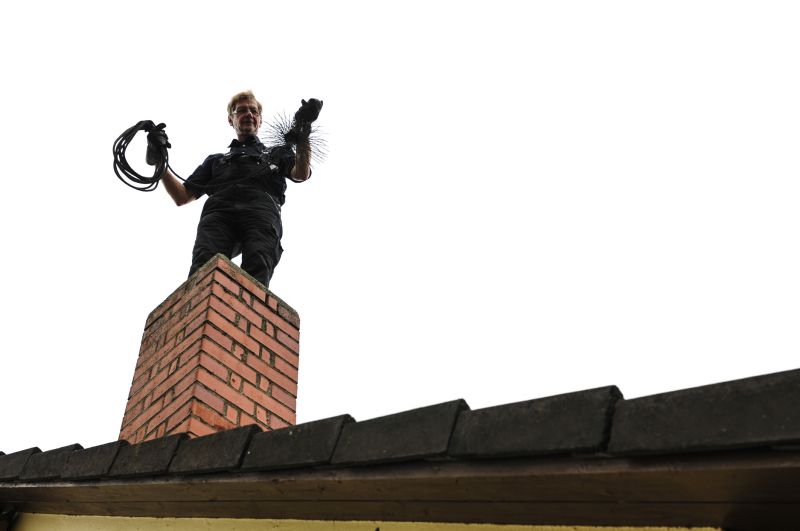
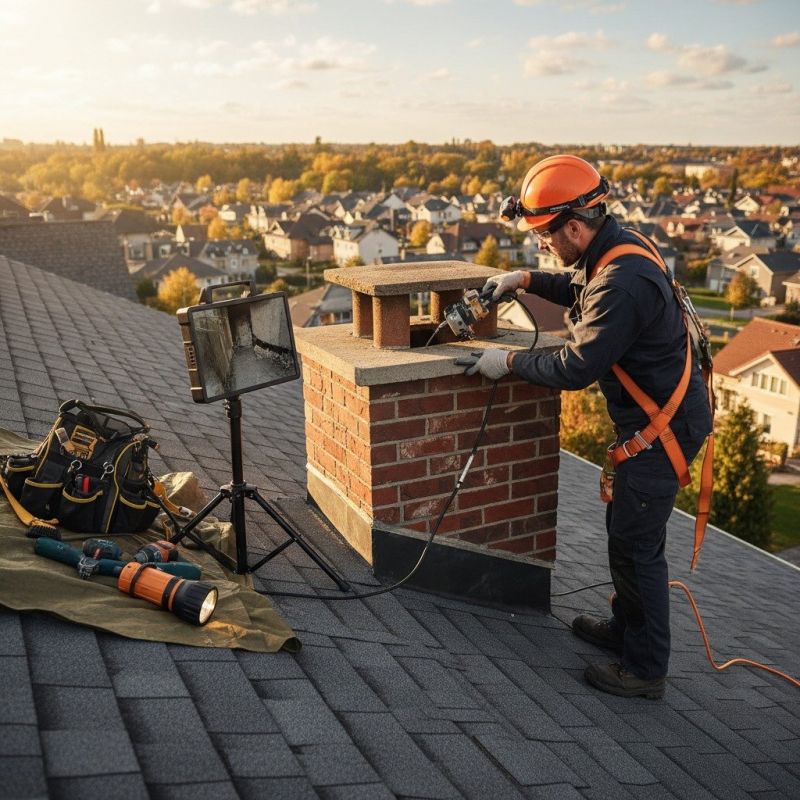
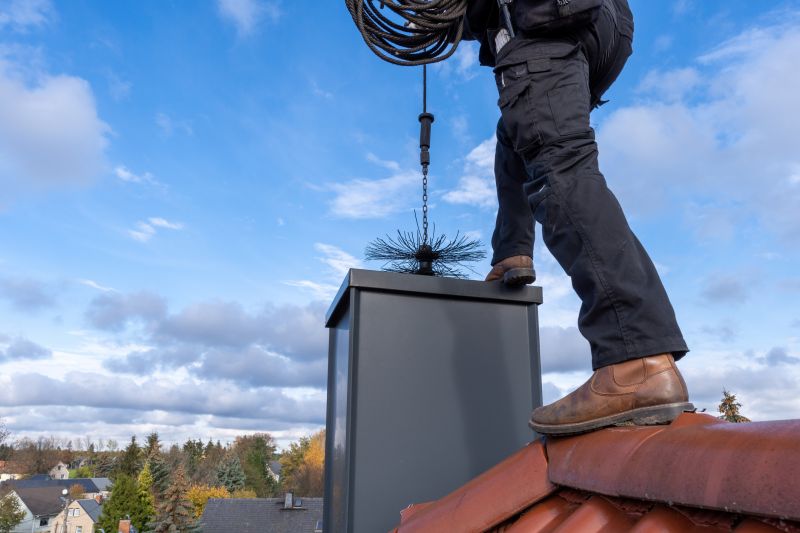
When homeowners search for information about how often chimneys should be inspected and cleaned, they are typically trying to determine a maintenance schedule that ensures safety, efficiency, and longevity of their fireplace or stove. This topic often relates to concerns about the buildup of creosote, soot, and debris that can accumulate inside the chimney over time. These deposits can pose fire hazards or cause blockages that impair proper venting. Homeowners may also be planning for routine maintenance, preparing for seasonal use, or addressing issues that have recently arisen, such as smoke backdrafts or unpleasant odors. Understanding the recommended frequency helps them decide when to bring in local contractors to perform inspections or cleaning, ensuring their chimney remains in safe working order.
The kinds of problems associated with infrequent chimney inspections and cleanings often involve creosote buildup, obstructions like bird nests or leaves, and deterioration of chimney components. These issues can lead to dangerous conditions, including chimney fires or carbon monoxide leaks. Conversely, homeowners with specific plans-such as preparing for a busy winter season or after recent renovations-may want to schedule inspections proactively. Certain property types tend to have different needs; for example, homes with wood-burning fireplaces, pellet stoves, or older chimneys may require more frequent attention. Understanding these factors helps homeowners recognize the importance of regular inspections and cleanings, and how local service providers can assist in maintaining safe and efficient fireplace systems.
Properties that typically come up in this context include single-family homes, historic residences, and rural properties where wood or pellet stoves are common. These homes often rely on their chimneys for primary heating, making regular inspections essential for safety and performance. Multi-family buildings or commercial properties with multiple fireplaces or heating appliances also require scheduled maintenance, often more frequently due to higher usage or complex venting systems. Additionally, properties with older chimneys or those that have experienced damage or deterioration may need more frequent inspections to detect issues early. Local contractors specializing in chimney services can evaluate each property’s unique needs and recommend an appropriate inspection and cleaning schedule based on usage, age, and condition.
In practical terms, understanding how often chimneys should be inspected and cleaned helps homeowners plan for routine maintenance that aligns with their property’s specific circumstances. Regular inspections-often once a year-are generally recommended for homes with wood-burning fireplaces, especially if they are used frequently or have a history of creosote buildup. More frequent cleanings might be necessary if the chimney shows signs of excessive soot, or if the property experiences issues like poor draft or smoke spillage. Local service providers can assess each chimney’s condition during inspections and perform cleaning when needed, helping homeowners prevent potential hazards and prolong the lifespan of their chimney system. This proactive approach ensures that the chimney remains safe, efficient, and ready for seasonal use.
Chimney Repair Projects - These projects often require similar planning and tools as chimney inspection and cleaning, ensuring safe and efficient operation of heating systems.
Fireplace Installation Services - Installing fireplaces involves understanding venting systems and proper clearances, which are closely related to chimney maintenance routines.
Venting System Upgrades - Upgrading venting systems requires knowledge of chimney structures and airflow, aligning with inspection and cleaning practices.
Flue Liner Replacement - Replacing or repairing flue liners involves assessing chimney integrity, a key aspect of regular inspections and cleaning schedules.
Chimney Cap Installation - Installing chimney caps helps prevent debris and animals from entering, complementing inspection and cleaning efforts to maintain chimney health.
Duct Cleaning Services - Duct cleaning shares similar tools and techniques for cleaning and maintaining airflow systems, paralleling chimney cleaning requirements.
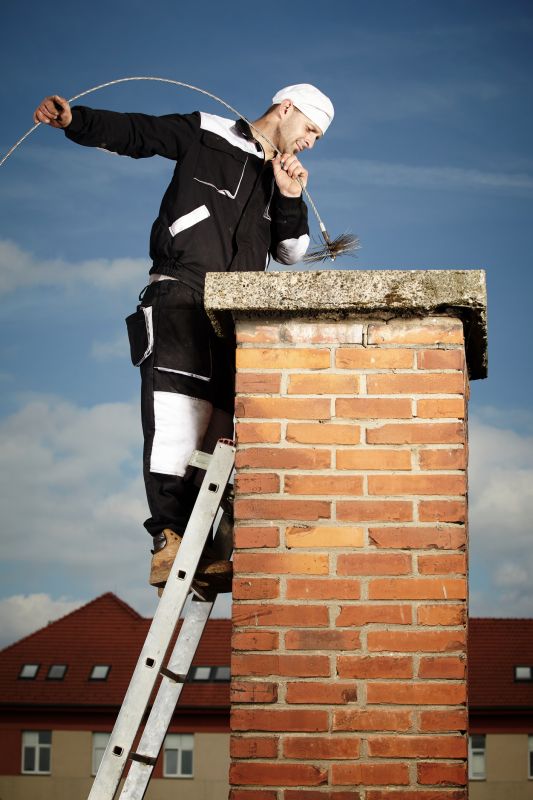
When evaluating chimney inspection and cleaning service providers, it’s important to consider their experience with similar projects. Homeowners should inquire about how long a contractor has been performing chimney work and whether they have handled properties comparable in size, age, or type. An experienced service provider will typically have a better understanding of common issues that arise with different chimney systems and can identify potential problems more efficiently. This background can contribute to a more thorough inspection and an effective cleaning process, helping ensure that the chimney functions safely and efficiently.
Clear, written expectations are also crucial when comparing local contractors for chimney services. Homeowners should seek detailed descriptions of what the inspection and cleaning will include, as well as any follow-up recommendations or reports. Having a transparent scope of work helps prevent misunderstandings and ensures that both parties are aligned on what the service entails. Well-defined expectations also make it easier to assess whether a contractor’s approach matches the specific needs of the home, especially considering how often chimneys should be inspected and cleaned based on usage and other factors.
Reputable references and good communication are key indicators of a reliable service provider. Homeowners can ask for references or reviews from previous clients to gain insight into the contractor’s professionalism and quality of work. Additionally, a contractor who communicates clearly and promptly can help answer questions about how often chimneys should be inspected and cleaned, and can provide tailored advice based on the unique features of the home. Choosing a provider who is responsive and transparent helps establish trust and confidence that the chimney maintenance will be handled properly and according to best practices.
Property owners often search for how often chimneys should be inspected and cleaned when they are planning practical projects around their homes and businesses. Local pros provide Chimney Inspection and Cleaning services for everyday jobs and straightforward project options.
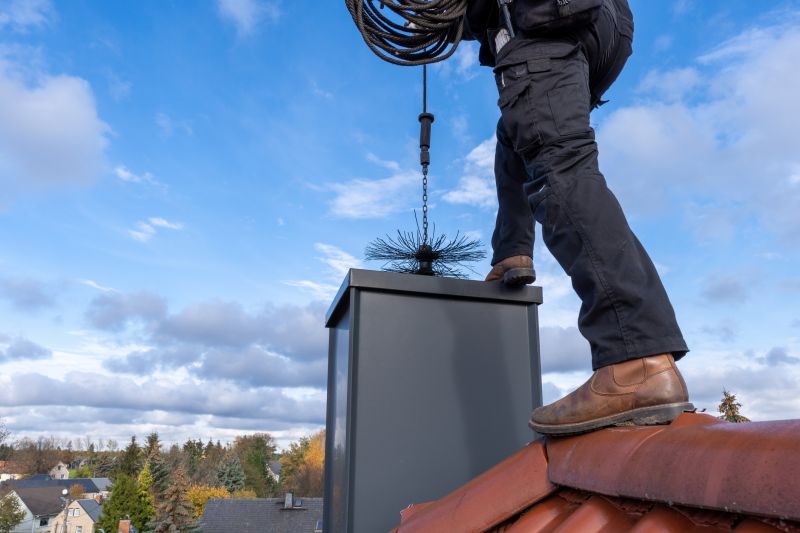
Many property owners in the area wonder how often chimneys should be inspected and cleaned to ensure safe and efficient operation. Regular inspections are especially important if a home is used frequently during colder months, as creosote buildup and blockages can develop over time, increasing the risk of chimney fires or ventilation issues. For those with older chimneys or after experiencing weather events like storms or heavy snowfall, scheduling an inspection from local contractors can help identify potential problems early and maintain proper function throughout the year.
In addition to seasonal use, certain situations may call for more frequent chimney cleaning and inspections. For example, homes with fireplaces that are used heavily or with wood-burning appliances may need more regular attention to prevent soot and debris buildup. Property owners seeking peace of mind often turn to local service providers to handle these inspections and cleanings, ensuring that their chimneys remain safe and ready for use whenever needed. Connecting with experienced local contractors can help determine the appropriate inspection schedule based on individual home use and condition.
How often should chimneys be inspected? It is generally recommended to have chimneys inspected at least once a year to ensure safety and proper functioning. Local contractors can perform thorough inspections to identify potential issues before they become serious.
How frequently should chimneys be cleaned? Chimneys typically need cleaning once a year, especially if used regularly, to remove creosote buildup and prevent fire hazards. Service providers can determine if additional cleanings are necessary based on usage.
Are there signs that indicate more frequent inspections or cleaning are needed? Yes, signs such as smoke backdrafts, unpleasant odors, or visible soot buildup suggest that a chimney may require more frequent attention from local professionals.
Can the frequency of inspections and cleaning vary by chimney type? Yes, factors like the type of fuel used, frequency of use, and chimney age can influence how often inspections and cleanings should be scheduled. Local service providers can advise based on specific circumstances.
Why is regular inspection and cleaning important even if the chimney appears fine? Regular inspections and cleanings help identify hidden issues like cracks, blockages, or creosote buildup that may not be visible but could pose safety risks or reduce efficiency. Local contractors can help maintain chimney safety and performance.
Schedule regular inspections - property owners can plan to have their chimneys inspected periodically to ensure safety and efficiency, especially before heavy use seasons.
Follow recommended cleaning intervals - understanding how often chimneys should be inspected and cleaned helps homeowners coordinate with local contractors for timely maintenance.
Monitor for signs of buildup - recognizing when a chimney looks or smells dirty encourages property owners to seek professional cleaning services from local contractors.
Align cleaning with inspection results - property owners can use inspection reports to determine when professional cleaning is needed and schedule services accordingly.
If you are thinking about how often chimneys should be inspected and cleaned for a property, this guide is meant to help you understand this topic, the typical project types, and how different options might fit your plans.
When you are ready, you can use the quote form on this page to share a few details about your project. From there, local pros can review the basics and follow up with options that match what you have in mind.